Venice Carnival 2026: dates, schedule and events
28 Janeiro 2026
Content Index
- Dates
- Venice Carnival Theme 2026
- Day by Day Schedule
- Carnival Balls
- Tickets and Prices
- How to get to Venice Carnival
- History of the Carnival
- Traditional Masks
- FAQ
The Venice Carnival is one of the most celebrated and captivating events in the world, attracting thousands of visitors from across the globe each year. This historic festival transforms the lagoon city into a magical stage, where elaborate masks, sumptuous costumes and theatrical performances create a unique and unforgettable atmosphere.
If you're considering visiting Venice during the 2026 Carnival, you've come to the right place. In this article, you'll find all the essential information: official dates, a detailed schedule of main events, unmissable parades, the locations where festivities take place, and practical tips to help you plan your visit.
The Venice Carnival 2026 theme celebrates tradition and innovation, with events ranging from historic parades to contemporary performances.
Events are primarily concentrated in St Mark's Square (Piazza San Marco), the beating heart of the celebration, as well as along the Grand Canal and at Campo San Polo, where you can fully immerse yourself in the festive atmosphere of the Venice Carnival.
When is Carnival in Venice? Official 2026 dates
The Venice Carnival 2026 will take place from 31 January to 17 February 2026, offering you almost three weeks of events, performances and celebrations. It's not just about the peak weekend days: the programme extends throughout the entire period with daily activities to suit all tastes.
31 January 2026 marks the official opening of the Venice Carnival. The inaugural day features the lighting of illuminations, street performances in the main squares, and the traditional selection of the Marie, young participants who re-enact an ancient Venetian tradition.
From 7 to 17 February 2026, the most important events take place: costume parades, water processions along the Grand Canal, contests for the most beautiful masks, and theatrical performances that bring life to every corner of the city. These days represent the ideal time to experience the Carnival in its most authentic form.
17 February 2026, Shrove Tuesday (Martedì Grasso), concludes the festivities before Lent begins. The final day offers a grand finale with closing parades, free performances in the streets, and a particularly intense atmosphere that bids farewell to the Carnival until the following year.
Venice Carnival 2026 Theme
This year’s theme celebrates the Olympic year, weaving together myth, play, and collective culture.
“Olympus – Alle origini del gioco / The origins of the game” draws inspiration from the playful and symbolic dimension of ancient competitions, evoking both Greek mythology and Venice in centuries past, when Carnival became a stage for acrobatic challenges, tournaments, and public spectacles.
A thematic choice that seems to reflect the spirit of the Milan–Cortina 2026 Winter Olympics, taking place on the very same days, and that pays tribute to the universal values of the body in motion, creativity, and shared experience.
Day-by-day schedule: parades, masquerades and main events
The main hubs of Venice Carnival 2026 events are St Mark's Square, Campo San Polo and the Grand Canal.
Saturday, 31 January 2026 - Opening Day
The Venice Carnival officially begins with the Venice Carnival Street Show, featuring street performances with artists, musicians and performers in the main squares.
In the afternoon, at 3:00 pm, the Selection of the 12 Marie takes place at the Scuola Grande San Giovanni Evangelista, where young women are chosen to participate in the historic Feast of the Marie.
Throughout the day, additional events such as ice-skating rinks are available in Mestre and Venice.
Sunday, 1 February 2026
The Festa Veneziana presents the spectacular venice carnival boat parade from 11:00 am, with traditional vessels sailing along the Grand Canal.
In the afternoon, you can watch the allegorical float parade in Dese (starting at 2:30 pm).
Friday, 6 February 2026
The Arsenale Water Show 2026 – The Call of Olympia offers water and light spectacles at the Darsena Grande of the Arsenale. The event takes place at 6.30 PM on several evenings during the Carnival period, with scheduled performances allowing everyone to witness this captivating aquatic show.
Saturday, 7 February 2026 - Peak weekend
This central day features the “Festa delle Marie” (Feast of the Marys), a historic parade along the Grand Canal to St Mark's Square.
The twelve selected Marie are dressed in traditional costumes and parade in a water procession that recreates the ancient Venetian tradition.
Sunday, 8 February 2026
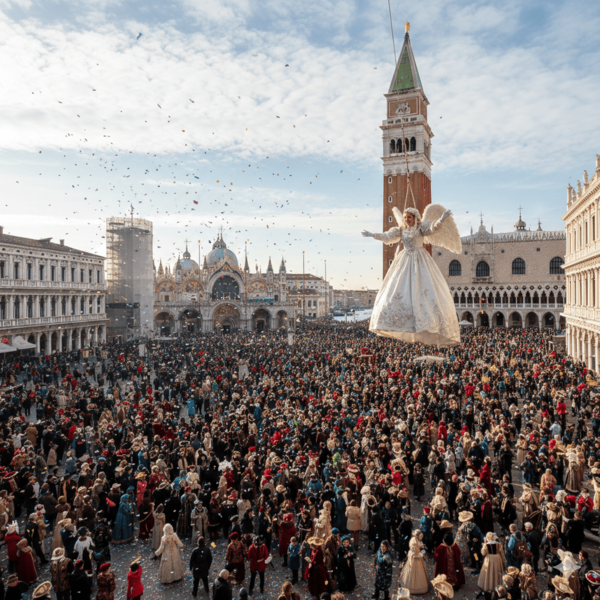
Daytime events and shows at the Arsenale and throughout the city bring the day to life with parades, street artists' performances and theatrical shows in the main squares.
Traditionally, the “Volo dell’Angelo” (Flight of the Angel) takes place on the first Sunday of Carnival, so this year the event will be on February 8, at 12 PM in San Mark’s Square.
From 9 to 16 February, recurring events animate the city: the "Most Beautiful Mask" contest in St Mark's Square, daily shows featuring acrobats and jugglers, and creative workshops for making Venetian masks.
Musical events and small theatrical performances take place daily in various squares throughout the festive period.
Venice Carnival balls
Beyond the free public events, the Venice Carnival 2026 also offers exclusive masked balls that require advance booking. These events generally take place between 7 and 17 February in historic palaces and prestigious locations.
Il Ballo del Doge is the most renowned: an elegant experience in period costume that allows you to relive the atmosphere of aristocratic Venice, scheduled for Saturday, 14 February 2026.
Carnival in Love, also taking place on Valentine's evening, combines romance with Carnival tradition. Other exclusive events include
The Ball of the Roses in a historic palace and the Casanova Venice Carnival Party.
You can participate in these balls by purchasing tickets online through the organisers' official websites.
Prices vary considerably depending on the event, but they are not economic for sure! Starting from approximately €700-1,100 per person for mid-range balls such as Carnival in Love, up to €2,500-5,000 for the prestigious Ballo del Doge with dinner included. Period costume hire is typically extra and can cost between €350 and €850.
Tuesday, 17 February 2026 - Shrove Tuesday
The final official day of the Venice Carnival 2026 presents a grand finale with closing parades, free shows in the main streets, and the last performance of the mask contest.
Celebrations continue until evening, when the city bids farewell to the Carnival with cultural events that close this extraordinary festive period.
Carnival tickets and prices
The good news is that most Venice Carnival 2026 events are free: you can attend the parades in St Mark's Square, street performances and mask contests without purchasing tickets.
However, you will need to buy tickets for exclusive events such as masked balls (from €700 to €5,000 depending on the event), the Arsenale Water Show, and official dinner shows (approximately €550 for the Official Dinner Show).
Tickets for paid events can be purchased on the organisers' official websites or through the Venice Carnival portal. We recommend booking well in advance, particularly for the most exclusive balls, which sell out rapidly.
Regarding city access, the Venice access contribution for 2026 will only apply on specific days between 3 April and 26 July 2026, so not during the Carnival period.
How to get to the Venice Carnival
If you're arriving in Venice by air for the 2026 Carnival, Treviso Airport represents an excellent alternative to the busier Marco Polo. From here, you can comfortably reach Venice with the Flibco’s bus from Venice to Treviso airport, a service that connects the airport to the lagoon city.
Flibco shuttles depart regularly from Treviso Airport and take you in approximately 30-40 minutes to the Tronchetto stop, from where you can easily reach the historic centre by water public transport. The service also stops at Mestre Station and is designed to coordinate with flight schedules, guaranteeing punctuality and peace of mind even during the busy Carnival period.
Choosing Flibco means travelling in an eco-friendly manner, reducing environmental impact compared to private cars, whilst enjoying comfort thanks to ample legroom and luggage space. During the journey, you can relax, listen to music or simply admire the Veneto landscape, without the stress of traffic or searching for parking.
Tickets are easily purchased online at flibco.com, with competitive fares making this connection a practical and economical solution for reaching the Venice Carnival.
History of the Carnival in Venice
The origins of the Venice Carnival date back to the 11th century, when the Serene Republic established this festival as a moment of entertainment and freedom before Lent.
The first official document mentioning the Venice Carnival is from 1296, when the Senate of the Republic declared the day before Lent a public holiday.
During the period of the Venetian Republic, the Carnival became a fundamental event in the city's social life. Masks allowed for the temporary erasure of social differences: nobles, bourgeoisie and commoners mingled in the streets, hidden behind elaborate masks that guaranteed anonymity. This tradition made the Venice Carnival unique in its kind.
In the 18th century, the Venice Carnival reached its peak splendour, with celebrations lasting for months. After a long period of interruption during Austrian and Napoleonic rule, the tradition was officially restored in 1979.
Today, the Venice Carnival is famous worldwide for its elegant costumes, refined artisanal masks and the magical atmosphere that transforms Venice into an open-air stage, attracting hundreds of thousands of visitors each year.
Carnival masks of Venice – which are they?
Traditional Venetian masks are true works of art representing centuries of history and craftsmanship. Each mask has specific characteristics and particular significance.
- The Bauta is the most iconic Venetian mask: it covers the entire face with a squared shape beneath the chin that allows eating and drinking without removal. Traditionally white, it was worn with a black tricorn hat and a dark cloak called "tabarro". This mask guaranteed complete anonymity and was used by both men and women to move freely during the Carnival.

- The Moretta was exclusively reserved for women: an oval mask of black velvet, without ribbons, held in position by biting an internal button. For this reason, it was called "servetta muta" (mute servant), as it prevented speaking, lending an aura of mystery to the wearer.
- The Volto (or "larva") is the white mask that faithfully reproduces human facial features. Simple and elegant, it was decorated with golden details and worn with elaborate costumes during aristocratic balls.
If you visit Venice during the 2026 Carnival, you'll be able to admire these masks in artisan workshops or wear one yourself to fully immerse yourself in the atmosphere of Italy's most enchanting festival.
FAQ
Why is the Venice Carnival celebrated?
The Venice Carnival originated in the 11th century as a period of freedom and entertainment before Lent, allowing social differences to be temporarily erased through the use of masks and costumes.
Best time to go to Venice Carnival?
The peak period is from 7 to 17 February 2026, particularly the weekends, when the main events such as the Feast of the Marys, masked balls and the grand finale on Shrove Tuesday take place.
Is Venice Carnival worth it?
Absolutely. The Venice Carnival offers a unique experience with historic parades, elaborate masks, exclusive balls and a magical atmosphere that transforms the city into an unforgettable open-air theatre.
What to do at Venice Carnival?
Attend free parades in St Mark's Square, watch street performances, participate in mask-making workshops, enjoy water shows at the Arsenale, and if your budget allows, attend an exclusive masked ball.
What to wear to Venice Carnival?
Many visitors wear elaborate period costumes and Venetian masks, though smart casual attire is acceptable. For masked balls, period costume (often available for hire) is typically required.
Why do they wear masks at the Venice Carnival?
Historically, masks allowed Venetians to temporarily erase social hierarchies and maintain anonymity, creating equality during festivities. Today, they remain a symbol of the Carnival's tradition and mystique.
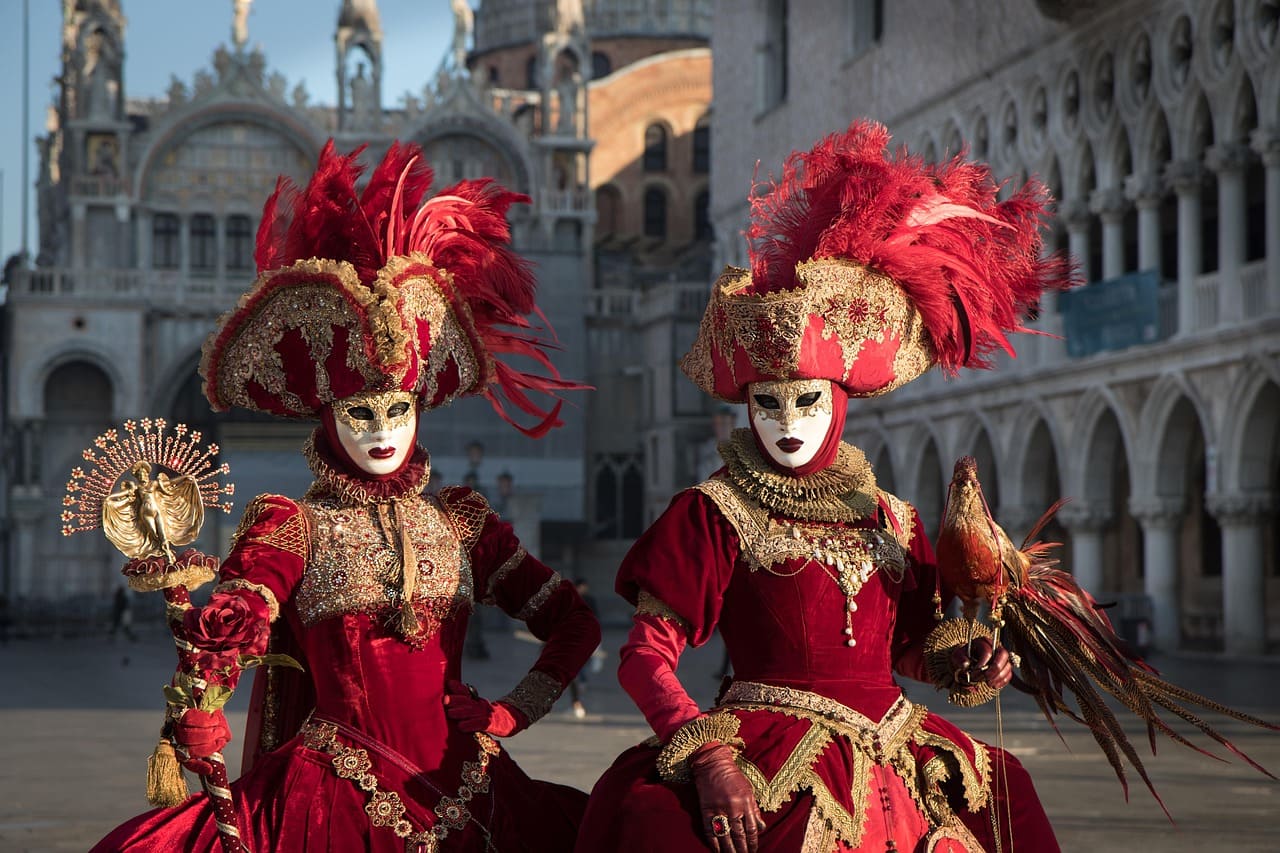
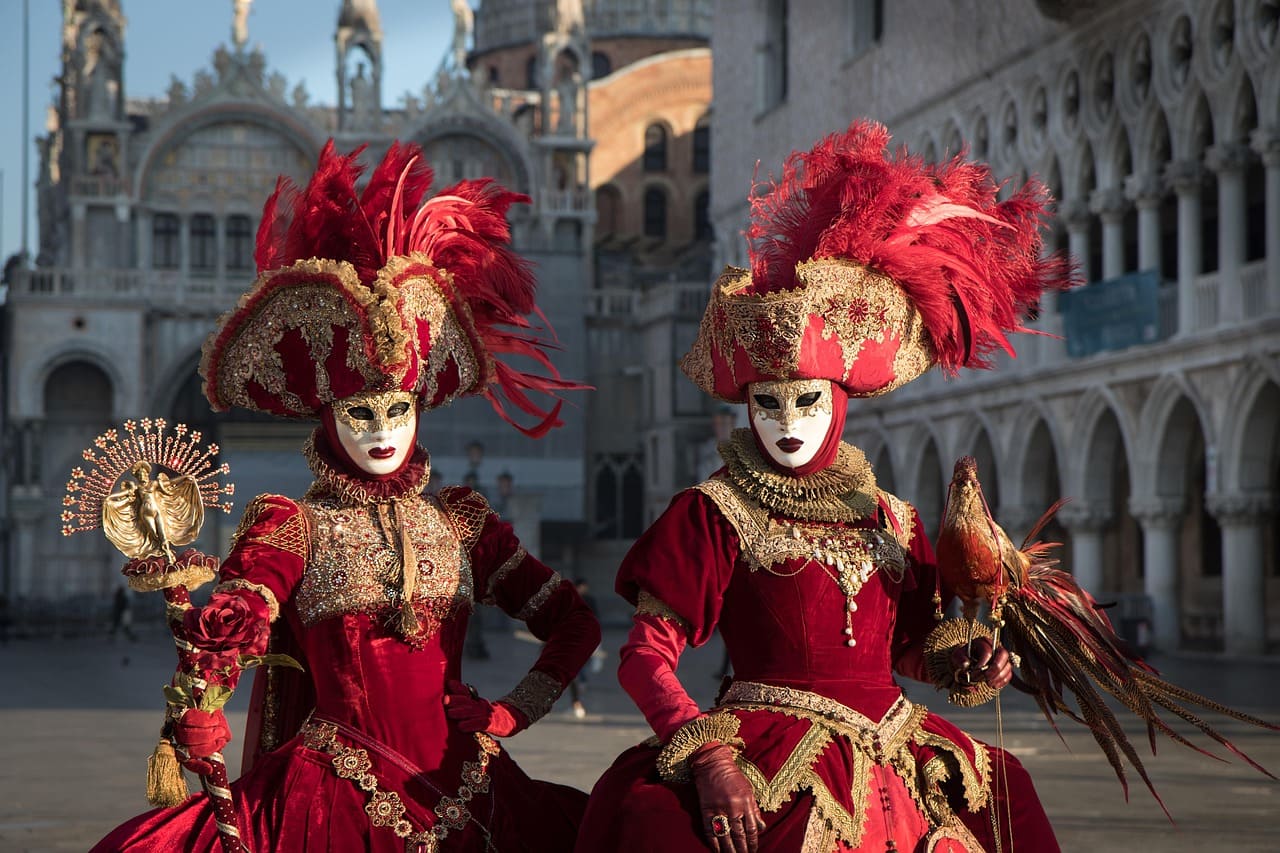
Banner and cover image by Ingeborg Gärtner-Grein from Pixabay
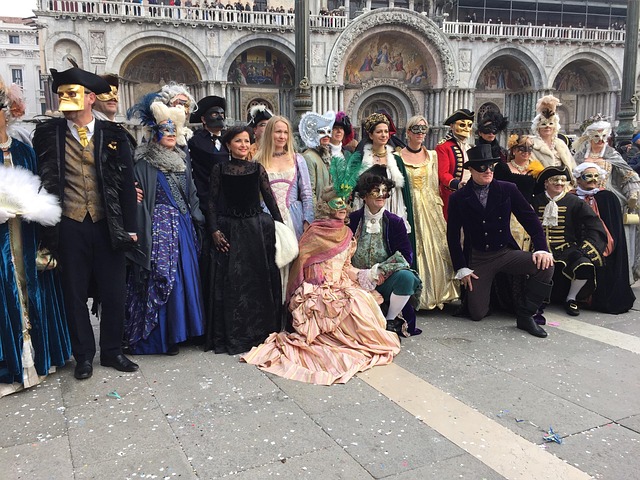
Second Image by chiaraguzzetti92 from Pixabay
La Bauta Image by Max from Pixabay